
The Bark on Lyme Disease: What You Don’t Know About Ticks in Hampton Roads
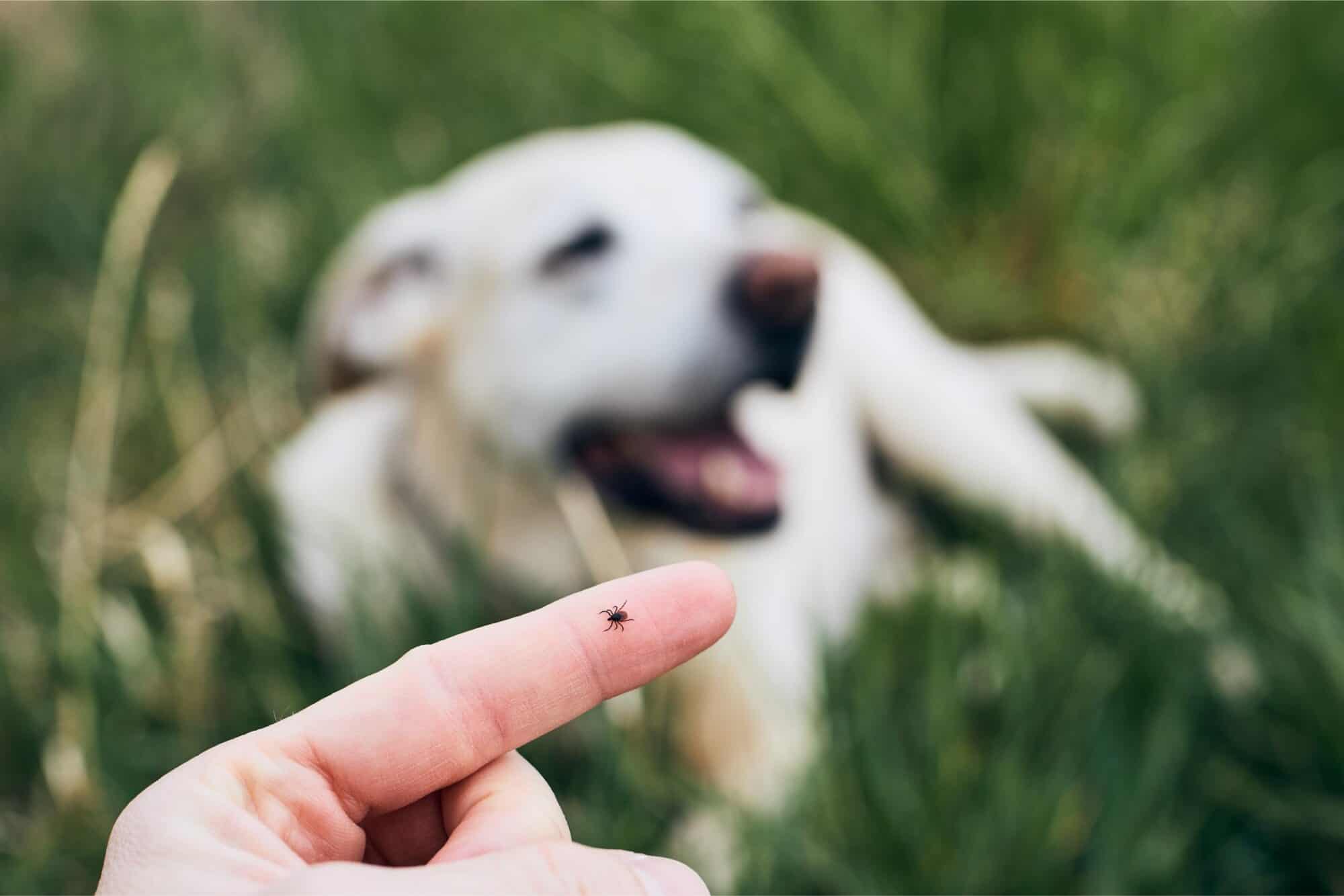
Tick-borne diseases can have serious consequences for both pets and people. It’s important for pet owners to know of the risks that ticks pose right here in Chesapeake, VA, and how to take proactive steps to prevent disease.
While Lyme disease is one of the most known tick-borne illnesses, other infections such as ehrlichiosis, anaplasmosis, and Rocky Mountain spotted fever are also tick-borne threats to pets in Hampton Roads.
Tick-Borne Disease
Ticks are small ectoparasites that feed on the blood of passing hosts. They carry bacteria and parasites that can infect our pets during their feedings. Unfortunately, many of these infections can lead to serious health issues if left untreated.
Common tick-borne diseases in pets include:
- Lyme Disease
- Caused by Borrelia burgdorferi.
- This disease can result in fever, lethargy, joint pain, swollen lymph nodes, and decreased appetite. In some cases, it may also affect the kidneys or heart.
- Ehrlichiosis
- This bacterial infection can cause fever, weight loss, swollen lymph nodes, abnormal bleeding, and neurological issues.
- Anaplasmosis
- Symptoms include fever, joint pain, vomiting, diarrhea, and seizures in severe cases.
- Rocky Mountain Spotted Fever
- This disease can lead to fever, lameness, swollen joints, skin lesions, and even organ failure in severe cases.
Tick Prevention for Pets
Fortunately, we have effective ways to protect our pets from ticks and the diseases they carry!
To minimize risk:
- Avoid high risk areas
- Ticks thrive in wooded areas and tall grasses! Avoid these when possible to reduce exposure, particularly during peak tick seasons in the spring and fall. Keeping your yard well-maintained by mowing grass and removing leaf litter can also help minimize tick populations in your own space.
- Check for ticks often
- Ticks need to be attached for several hours for disease transmission to occur, so checking your dog after outdoor activities is helpful. Pay close attention to areas like the armpits, ears, paws, and under the collar. If you find a tick, remove it carefully with tweezers, grasping it as close to the skin as possible, and pulling straight out.
- Use parasite prevention!
- Effective tick preventives are widely available, including oral medications, topical treatments, collars, and even an injection that lasts an entire year! Our team can recommend the best prevention plan based on your dog’s lifestyle and risk factors. Since ticks are active even in cooler months, year-round protection is highly recommended.
- Think about vaccination
- A vaccine against Lyme disease is available for dogs, and should be considered for pets at higher risk of exposure. The vaccine provides an added layer of protection, but it does not replace the need for regular tick prevention, as it does not protect against other tick-borne diseases. Ask if it is right for your pet at your next wellness exam.
Keeping Your Pet Safe
Tick-borne diseases can be effectively treated, particularly if detected early. If your pet exhibits concerning signs of a potential infection like fever, lethargy, joint pain, or unexplained illness, please schedule an appointment with us right away.
Ticks and the diseases that they carry can be serious, but with good prevention strategies, you can significantly reduce the risk of infection. If you have questions about ticks, tick prevention, or anything else regarding your pet, contact us today. We are happy to help whenever we can.