
Do rabbits make good pets?
The short answer: absolutely! Rabbits are surprisingly energetic and tend to have big, unique personalities. They get the zoomies, have the most adorable grooming habits, and will literally jump for joy. However, their unique care requirements mean they might not be the right pet for every household. They tend to seek affection on their own terms, have a natural need to chew things, and can produce a lot of allergens (particularly fur and hay!).
Whether you’re considering the addition of a rabbit to your family or you already have a bunny or two to care for, we’ve compiled some of the questions we hear most about these furry friends to help you on your journey!
Rabbits: FAQs
Can my rabbit live inside?
Yes! In fact, in Hampton Roads, we recommend it! Living outside, even in a luxurious hutch, can expose your rabbit to extreme temperatures, predators, and an increased risk of external and internal parasites.
What kind of enclosure does a rabbit need?
A rabbit’s house should have a solid floor with soft bedding because wired bottomed cages can cause paw sores and other injuries. It should be large enough to allow exercise and play, and thoroughly checked for electrical cords which pose a life threatening risk when chewed.
Does my rabbit need a companion?
Rabbits can be very social creatures, but that is not the case for every rabbit. If you’re looking to adopt a rabbit that is already bonded, consider keeping them together. However, if you’re looking to get your current rabbit a friend, be prepared to house them separately if they don’t see eye-to-eye.
Should I get my rabbit fixed (spayed/neutered)?
Yes. Getting your rabbit spayed or neutered prevents certain types of cancer while also helping prevent some unpleasant behaviors. (Trust us, you do not want a rabbit urine-marking in your house.)
How do I introduce two rabbits?
Some rabbits love friends! And some rabbits…don’t. When introducing rabbits, it’s important to go slowly. Start by letting each rabbit smell something the other rabbit has touched. A blanket exchange works great for this. Then let the rabbits see each other without physical contact. If all goes well there, you can proceed to letting the rabbits interact through a barrier (like a baby gate).
If everyone remains calm, cool, and collected, you can try a supervised playdate on neutral turf. This should happen somewhere neither bunny takes up residence or has a dominant claim over. Watch their interactions closely and be prepared to separate them if growling, thumping, or charging occurs.
Keep in mind that some rabbits may never want a companion. If you’re looking at adopting an additional rabbit, be prepared to house them separately just in case they don’t get along.
What should my rabbit eat?
Juvenile rabbits younger than 7 months of age should eat alfalfa hay and alfalfa-based pellets to meet the high energy requirements for growth. Between 7 months of age and a year, rabbits should be transitioned to a timothy-based hay and pellets, with the amount of pellets reduced to about ¼ cup per day at most. Hay is essential for both rabbit gut health and proper wear of their teeth!
Vegetables (particularly leafy greens) can be a wonderful addition to a rabbit’s diet and can be incorporated into puzzle feeders and encourage natural foraging behaviors.
As for fruit and processed “rabbit treats” – think of those like candy. Few and far between, if at all.
Does my rabbit need vaccines?
In Hampton Roads, it is highly recommended that all rabbits be vaccinated for protection against Rabbit Hemorrhagic Disease Virus (RHDV2). This is currently the only protection available for this highly contagious virus, as the first clinical sign of illness is most often sudden death. Because this virus is so contagious, it is even recommended for indoor rabbits to be vaccinated. We risk carrying the virus inside on our shoes and clothes.
How often should my rabbit see a vet?
Juvenile rabbits (under 7 months) should see a veterinarian to ensure they are growing properly and receive any recommended vaccinations. Adult rabbits should then see a veterinarian at least once annually for a wellness exam.
Why doesn’t my rabbit like to be picked up?
If does not want to cuddle, why cuddle shaped? We get it – we want to snuggle them, too! But most rabbits really don’t take well to being picked up. As a prey species, they want four paws on the floor at all times and seek affection on their own terms. In fact, they tend to panic when they’re picked up, because their nervous system automatically associates it as being attacked by a predator. This panic can make them flail and kick, leading to serious limb and back injuries.
Instead, try socializing with your rabbit on their level. Lay on the floor, stretch out, get comfortable. Or invite them to hop up on the couch!
How do I tell if my rabbit is in pain?
A rabbit’s primary objective is to pretend that everything is fine all the time, even if it isn’t. Which can make it very difficult to tell when your rabbit is hurting. The signs are subtle:
Squinting eyes
Hunched posture
Nose in a “v” shape
Ears back
There’s even a Rabbit Grimace Scale to help show the difference in their facial expressions.
But it’s important to remember that you know your bunny best! If you’re worried something is wrong, trust your gut and see a veterinarian.
Why is my rabbit digging, spraying urine, or acting aggressive?
Rabbits have big personalities…and sometimes big attitudes. These behaviors are most often associated with hormones and can sometimes be reduced (even prevented) with spaying or neutering.
Why isn’t my rabbit eating?
A rabbit might stop eating due to infection, injury, or gut stasis. No matter the cause, a rabbit not eating is a life-threatening emergency. They need to be seen by a veterinarian right away.
What kind of litter is safe for their litter box?
Fun fact: rabbits eat and poop simultaneously. It’s efficient, but it also means that some of that poop will go back into their mouths (in fact, it’s supposed to!). Clay and clumping style litters should be avoided because this can stick to their fur and cause impactions when ingested.
Opt for absorbent, low-dust options like recycled paper pellets.
What symptoms require emergency medical attention?
Rabbits are professionals at hiding when they’re sick or hurt. Which means sometimes we don’t know something is wrong until something is really wrong. Emergency medical attention is recommended for any rabbit showing signs of:
- Lethargy
- Not eating
- Not pooping
- Head tilt or wobbly gait
Rabbits are wonderfully fun pets with unique personalities and care requirements. Have a question that isn’t answered here? Call us at 757-956-1110 or book a consultation directly online via our Pet Portal!
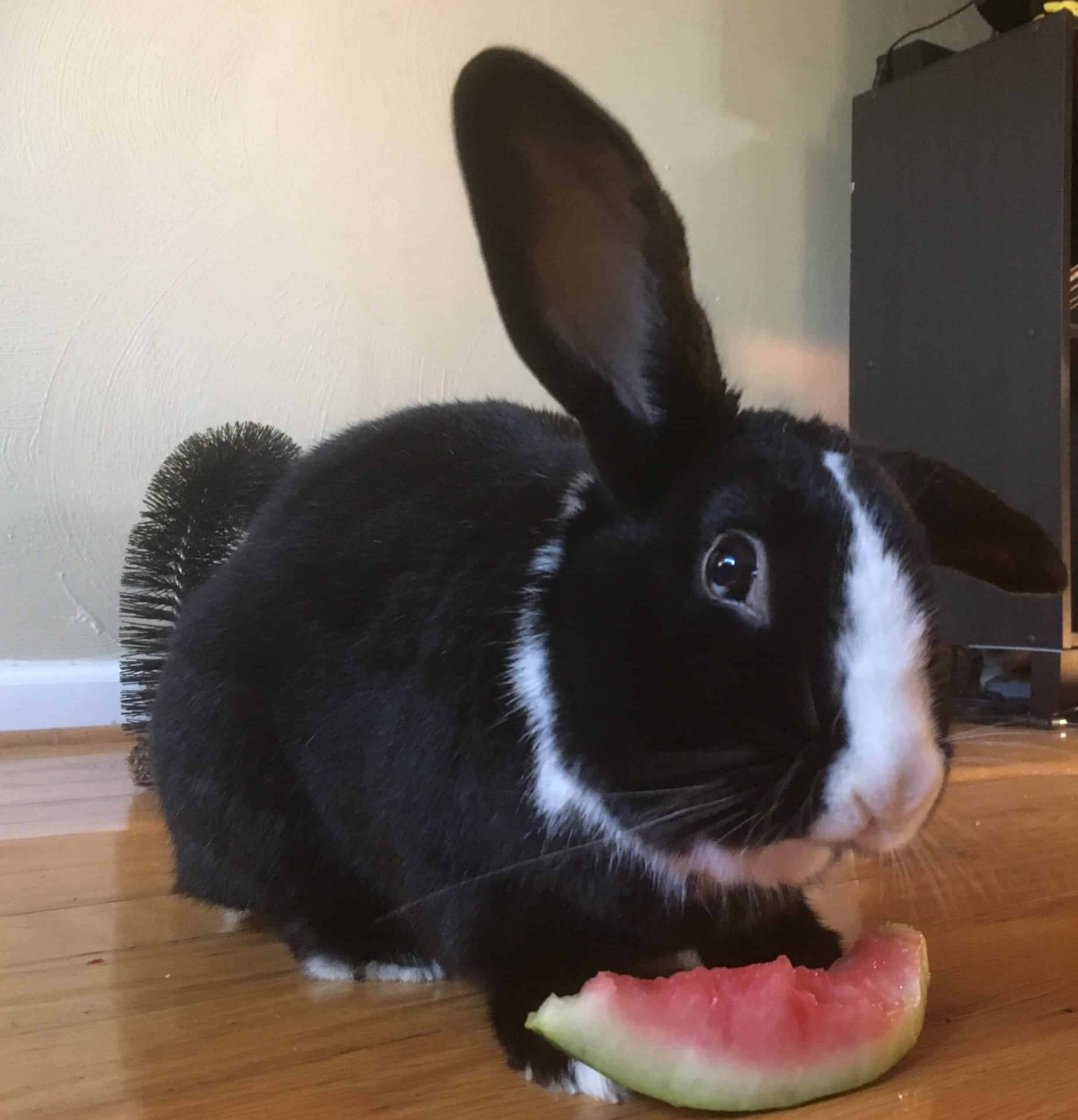
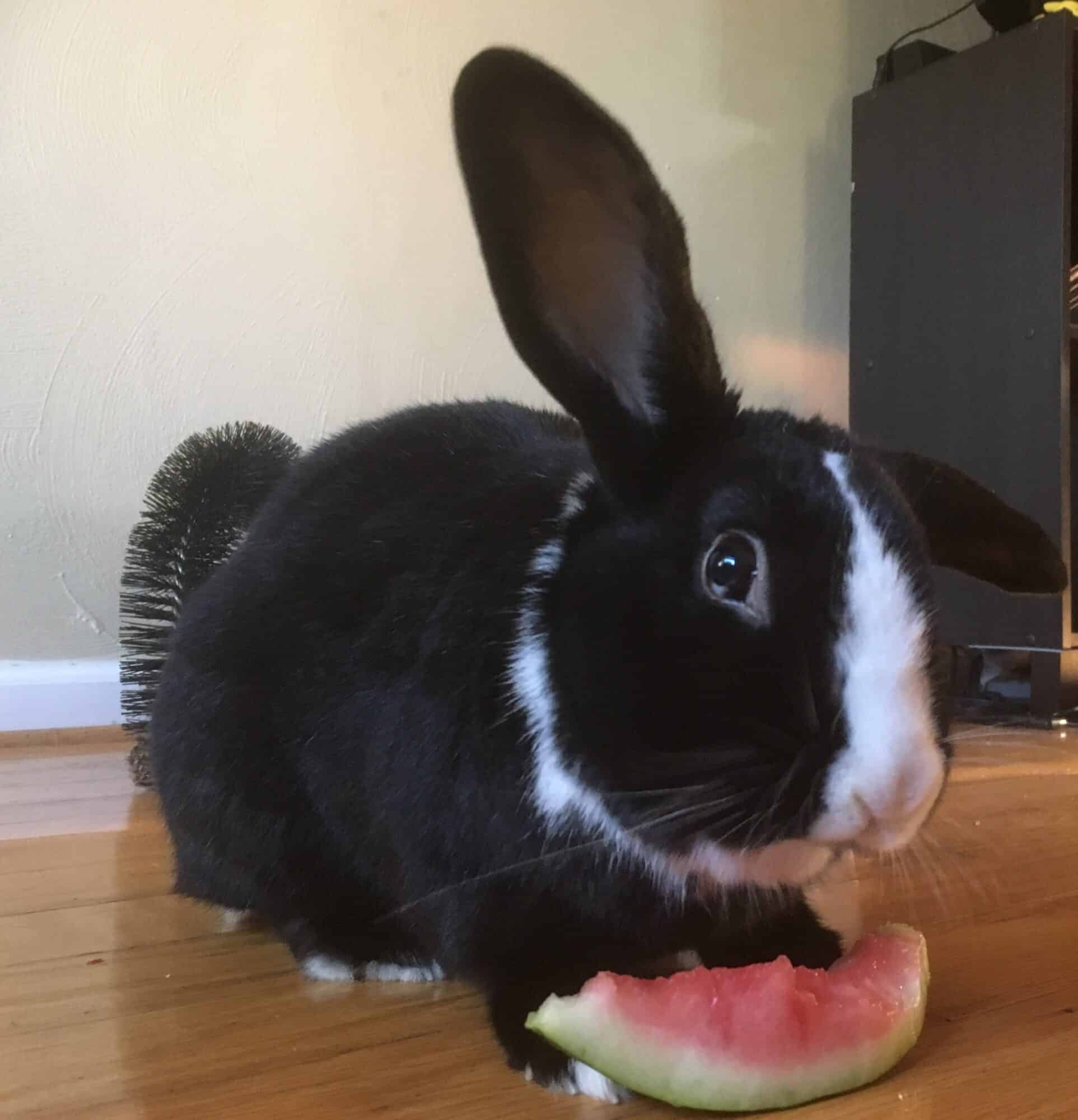
Featured photograph is of Sir GusGus, Vital Vet team member Sarah’s rabbit who loved cilantro, binge watching Netflix, and being lint rolled by his human.